The “Lakadong” variety of turmeric with the highest curcumin content is cultivated in the Jaintia Hills District of Meghalaya
An average of 3.5 quintals of turmeric is produced per hectare
A family with 10 hectares of land should typically produce 3.5 MT
Given the assurance of a satisfactory price and assured orders, the cropping pattern can be altered to accommodate more area under turmeric
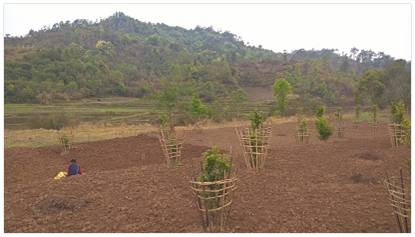
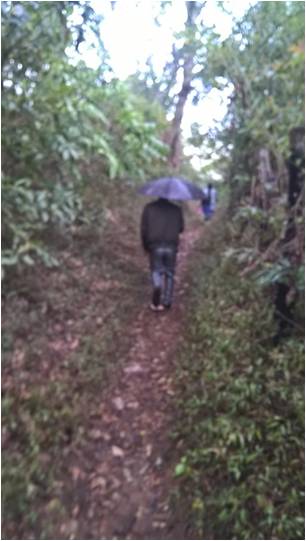
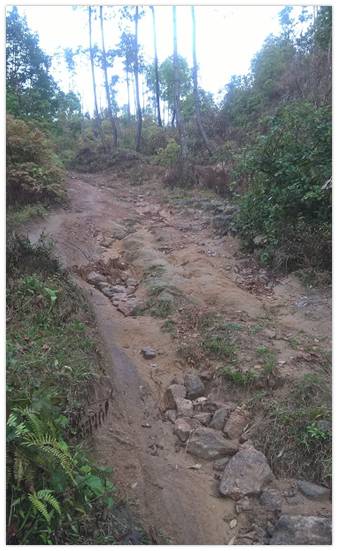
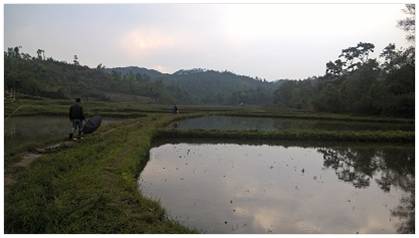
The fields producing turmeric are remote with use of traditional methods, both for cultivation and processing
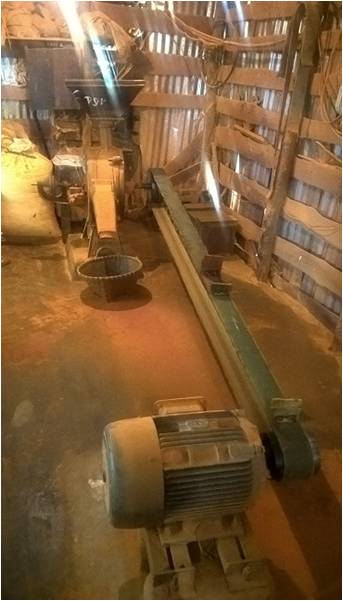
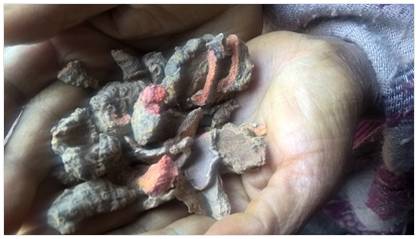
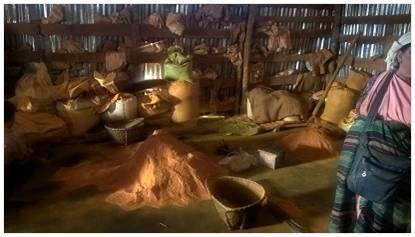
Processing comprises mainly drying followed by grinding
Totally organic methods of cultivation were noticed during field visit.
The cultivation season extends from sowing during late spring (April-May) to harvesting in Dec-Jan, continuing till March
Some Glimpses of Turmeric Cultivation and Processing in Meghalaya – 1
General view of area under turmeric cultivation for one family of farmers Foot and Cart Tracks leading to fields Foot and Cart Tracks leading to fields
Glimpses of Turmeric Cultivation and Processing – 2
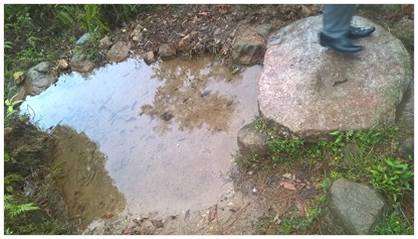
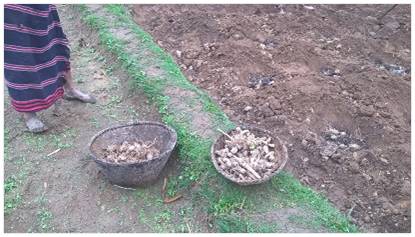
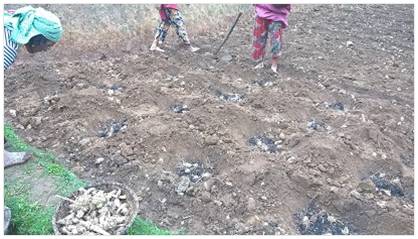
Natural Spring Water utilized for irrigationPits and mother root being prepared for sowing
Glimpses of Turmeric Cultivation – 3
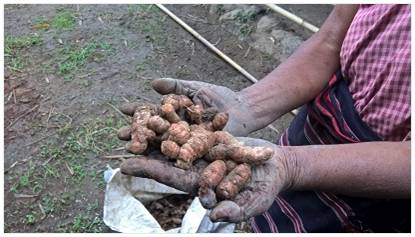
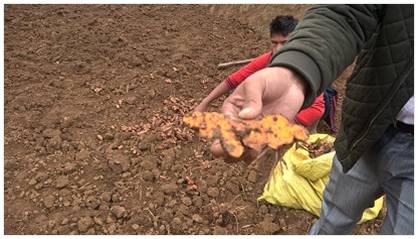
Ladies sowing turmeric using traditional implements Turmeric roots after harvesting and prior to processing
Glimpses of Turmeric Cultivation – 4
Farmer displaying turmeric root post harvesting Low Lying areas with terraced cultivation in surrounding areas
Glimpses of Turmeric Processing – 5
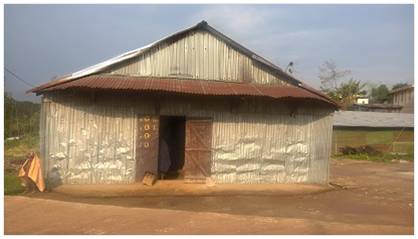
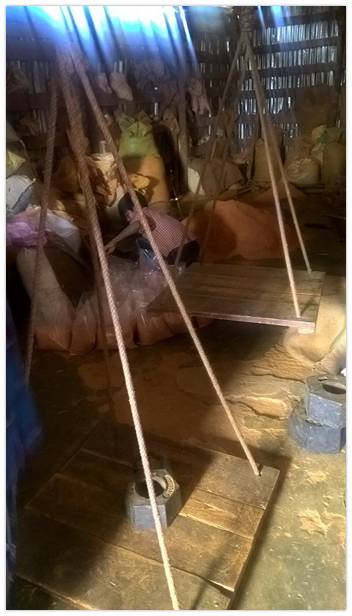
A processing unit Traditional methods of weighing and grinding Traditional methods of weighing and grinding
Glimpses of Turmeric Processing – 6
Dried flakes of turmeric prior to grinding Pre and Post processing storage done in traditional methods